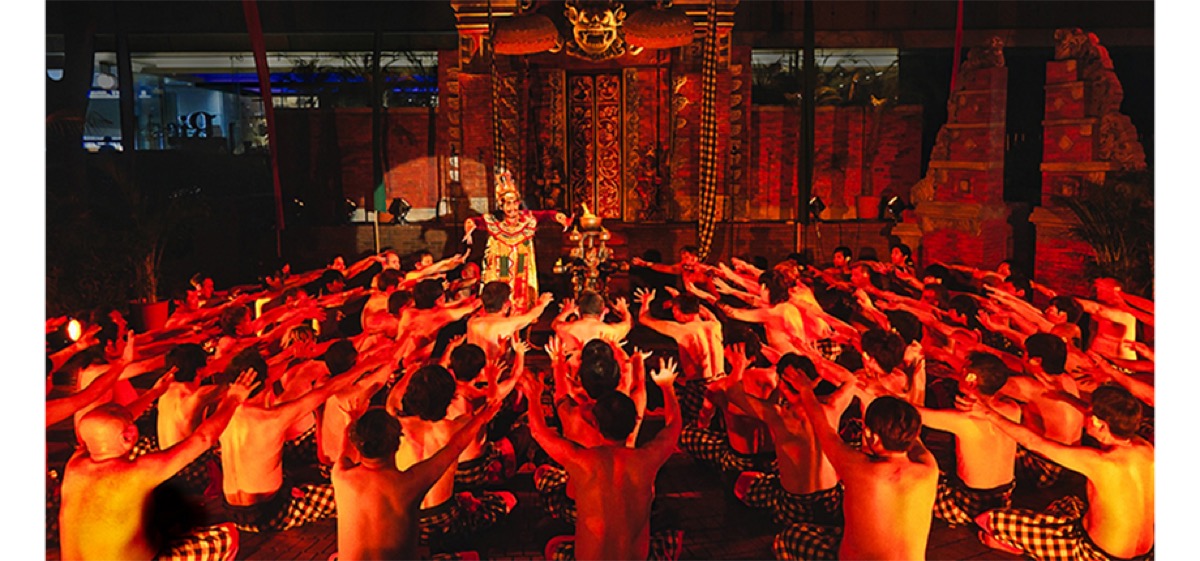
For five days each summer, the courtyard of the Shinjuku Mitsui Building fills with a sound that does not belong to Tokyo. Around 100 performers gather around a single light and begin the Kecak — a Balinese choral dance drama where layered human voices replace every instrument. The 48th Geino Yamashirogumi Kecak Festival runs July 29 to August 2, 2026, and admission is free.
A festival born as resistance
Geinoh Yamashirogumi, the troupe behind the festival, was founded in 1974 — a moment when Japan was rushing toward modern Western culture and rural traditions were being dismissed as outdated. Akira Yajima launched the Kecak Festival in 1976 as a deliberate counter-current, importing a Balinese form that predates every trend and resists being modernised. Nearly half a century later, the festival still holds the same line. The 2026 theme is "A Festive Space Where Living Brains Outshine AI."
The choice of Kecak is the key. Unlike gamelan, which uses bronze percussion, Kecak uses only voices — a six- or seven-layer chorus that builds a hypnotic, trancelike texture. Dancers in traditional masks and costumes move around a central burning light. There is no soundtrack, no amplification, no break. You are hearing a community breathe in unison.
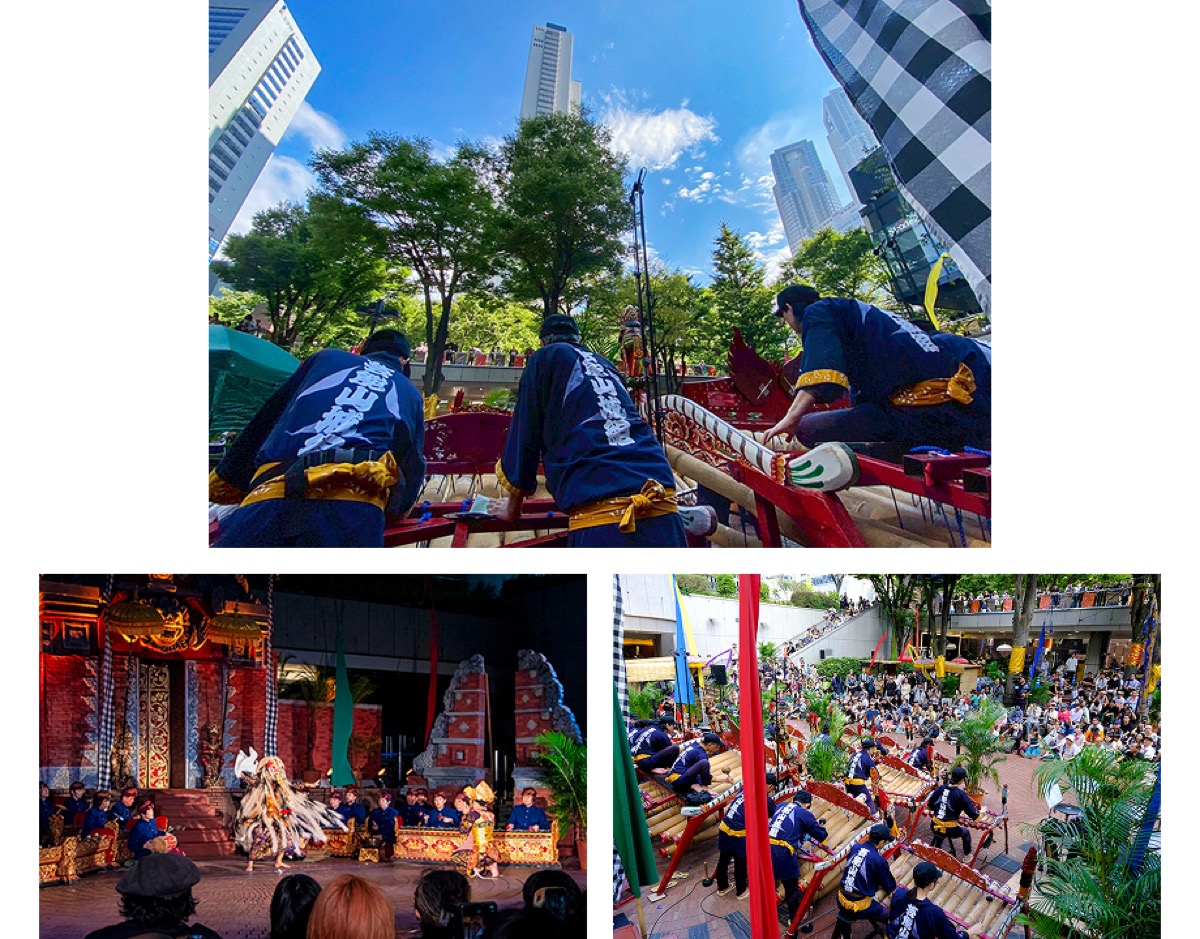
The Indonesian Embassy in Tokyo has supported the festival for years, recognising it as one of the most significant showcases of Balinese culture outside Indonesia. Around 100 Japanese performers — many trained directly by Geinoh Yamashirogumi over decades — present the Legong and Kecak dances alongside gamelan and jegog musicians. The festival is not a tourist show. It is a serious, sustained cultural collaboration that has been running for longer than most Tokyo residents have been alive.
More than Kecak
The five-day programme extends well beyond the main event. Each evening also features the Balinese bamboo percussion orchestra Jegog, a taiko drum performance, a Georgian traditional chorus, a Bulgarian folk choir, and a live performance of Symphonic Suite Akira — the score from the 1988 anime classic — combining human voices with electronic instruments. The mix of traditions is not random. Yajima has spent decades collecting and staging forms that, like Kecak, depend on collective human rhythm rather than individual virtuosity.
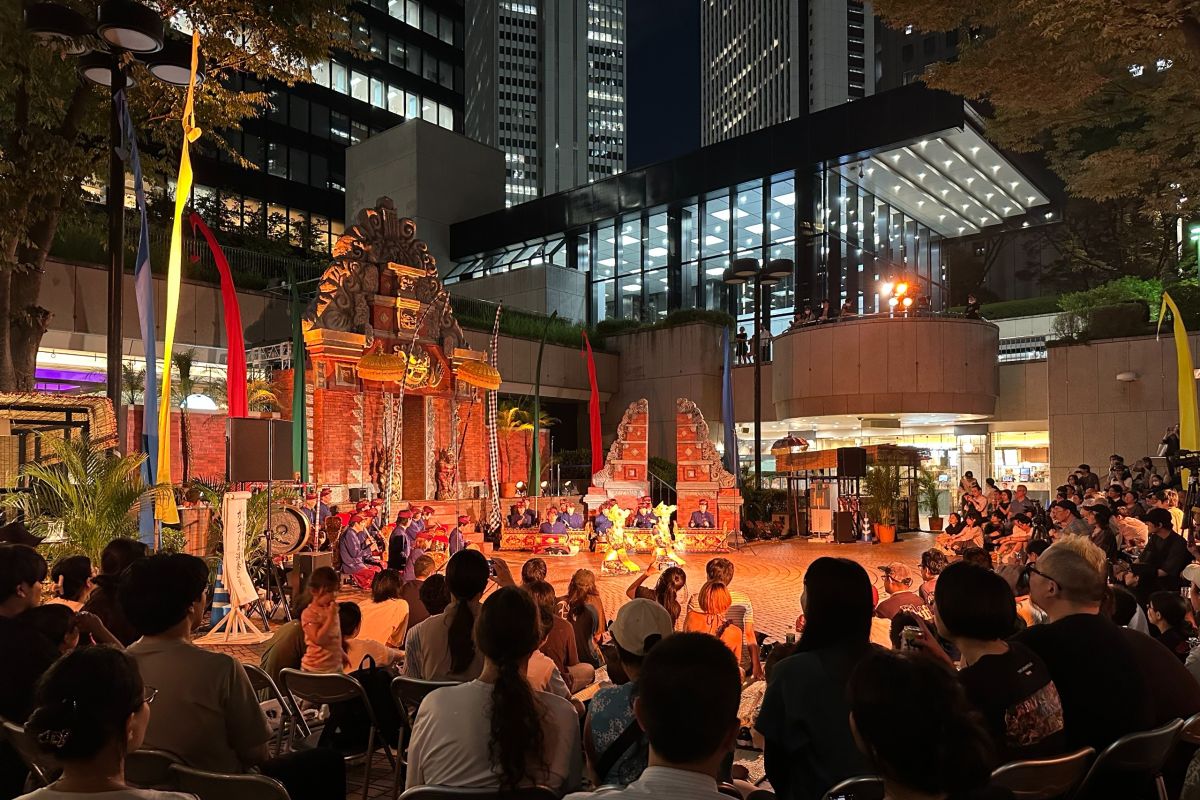
The venue itself is part of the experience. The Shinjuku Mitsui Building, a 1974 high-rise in Nishi-Shinjuku, was designed by architect Yoshikazu Uchida with a broad open-air courtyard framed by the tower's columns. At dusk, the columns throw long shadows across the dance floor, and the surrounding skyscrapers disappear into the dark, leaving the courtyard lit only by the central flame and the stage. It is one of the most atmospheric performance spaces in Tokyo, and the festival uses it to full effect.
How to attend
Performances begin at dusk each day. The schedule shifts slightly: July 29–30 runs 16:00–21:00, July 31–August 1 runs 15:00–21:00, and the final day, August 2, runs 14:00–20:00. The venue is the open courtyard of the Shinjuku Mitsui Building, a 5-minute walk from Tochomae Station on the Oedo Line. There are no tickets, no reservations, and no seating — arrive 30 minutes early for a good standing spot. Heavy rain moves performances indoors; check the official site on the day. Combine the visit with a walk through Nishi-Shinjuku's rooftop beer gardens, which run late into the evening.
Practical Details
- Dates: July 29 – August 2, 2026
- Time: 14:00–21:00 (varies by day — see above)
- Venue: Shinjuku Mitsui Building courtyard, 2-1-1 Nishishinjuku, Tokyo
- Nearest station: Tochomae (Oedo Line, ~280m) or Nishi-Shinjuku (Marunouchi Line, ~290m)
- Price: Free, no booking
- Website: Geinoh Yamashirogumi official festival page
- Full schedule & tips: Balinese Kecak Festival event page